

Is blockchain compatible with social good? |Lessons from fieldwork in Kenya
From corruption to scams, crypto is increasingly linked to shady schemes. But I present a refreshing angle of the mostly problematic technology coming from my time in Kenya.

It was at the height of the pandemic in 2020 when I finally picked up the books that were on my TBR pile for ages. One of them was "Doughnut Economics” by Kate Raworth. I was drawn to one of the features called Bangla-Pesa, a community currency in Kenya by Grassroots Economics.
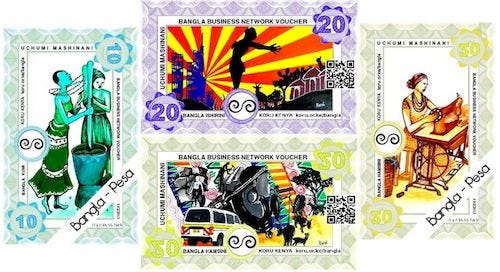
Community currencies are essentially tokens that represent one’s commitment to pay another. They’re only redeemable for goods and services in a specific geographic area. Think of it as money but limited to your friend group, barangay or comune. The rationale behind this is so that the wealth would not “leak” outside your defined economy.
When I was applying for graduate school, I contacted the founder Will Ruddick, if he was willing to be a supervisor for my re-entry action plan to replicate this in the Philippines. To my surprise he said yes, but I didn’t make it as a scholar to this one program that required this said plan. Fast forward to March 2024…the last semester of my Erasmus Mundus program in economics for the global transition, where we were free to do our thesis anywhere in the world, I found myself in the coast of Kenya, in the wonderful town of Kilifi. The extra grant from University of Paris Cité enabled me to do my field work of 2 months (could have been more, but ya know, paperwork!!).
My fascination for the intersection of finance and technology started from way back in 2017 when I interned for Coins.ph, and sequentially, giving birth to my undergraduate thesis on Bitcoin. While I’m riding the hype of technology, what I really wanted to study was Bitcoin’s connection to development-against the backdrop of its promise for lower transfer or remittance fees. However, I failed to do so because the “speculative” side of Bitcoin won over the former aspect, i.e., people hold a certain asset or money in hopes of getting more in the future. And as such, we see left and right, how people also use this for accessing black market goods and other illicit activities from scams to corruption.
Meanwhile, as Grassroots Economics has utilized the technology behind Bitcoin - the blockchain - the so-called community asset vouchers (CAVs) in Kenya moved away from the (more often than not) shady side of crypto. Blockchain is like a series of spreadsheets in Excel put together in a way that’s unchangeable, and this is why it has potential for making systems transparent, in particular, governments.
How it works: the Sarafu Tech Stack
The network of CAVs are now called Sarafu Network. To ensure inclusivity for rural users without data access, it employs a dual access model:
A primary USSD interface for offline, low-tech feature phones (no internet needed) handles balances, sends, and updates. For my Filipino followers, this is similar to the way we used to top up load or also to transfer (the famous “pasaload”) on our phones way before they were smart. “They trade tokens peer-to-peer via USSD for essentials like food or school fees — similar to M-Pesa (the massive Kenyan e-wallet).
This locks value within the network to boost circulation and resilience.
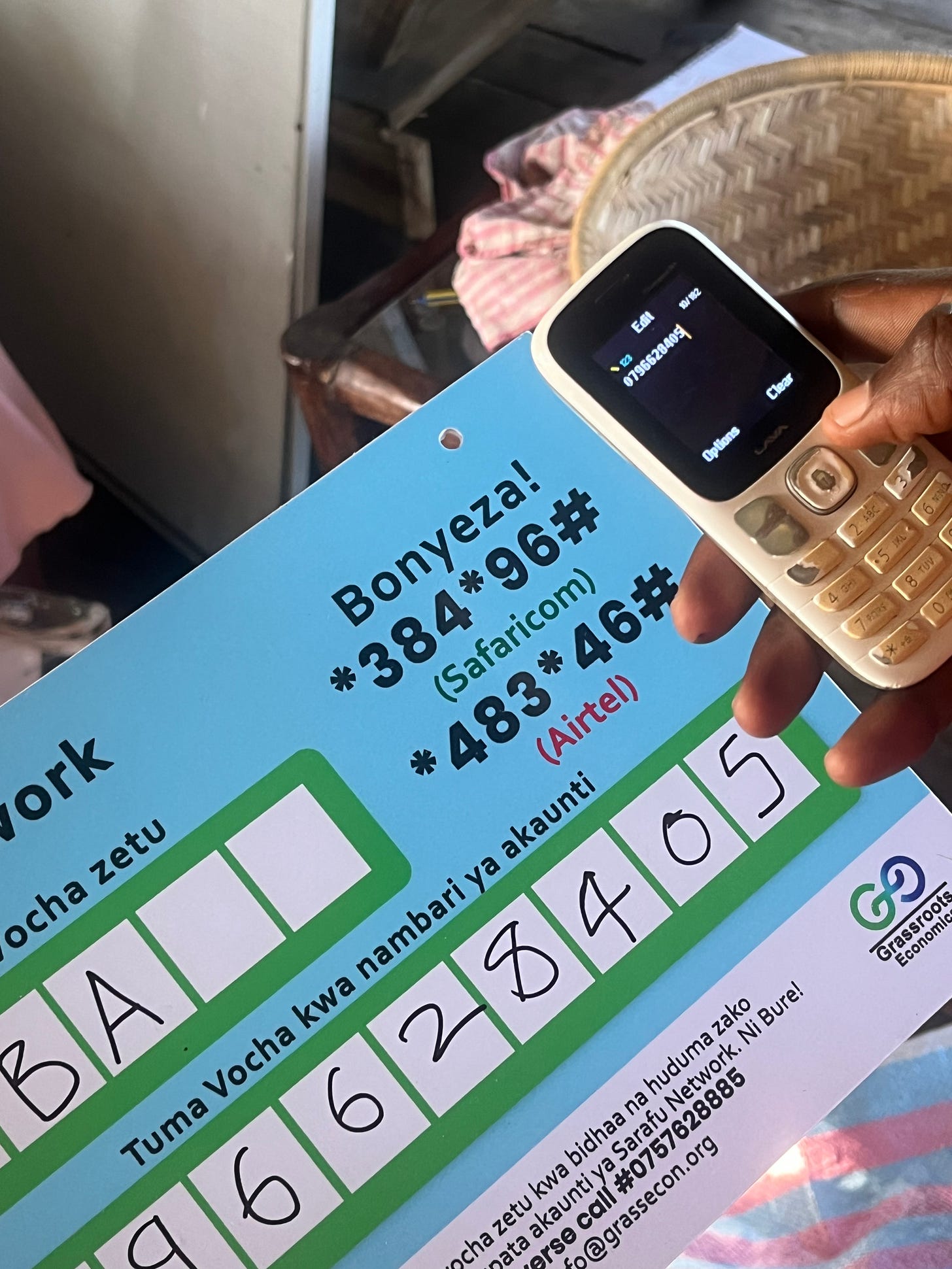
Sarafu network transfer in action via USSD | © Tisha Evite An optional app-based wallet with links via SMS for smartphone users, enabling advanced features while maintaining phone-number simplicity. The second option is one of the features powered by the blockchain.
To discourage hoarding of tokens, the CAVs continuously decrease in value. In some community currencies, this is called a demurrage or a holding tax. Previously, this tax was collected physically by the NGO volunteers. With blockchain, this is now automatically computed. You will see the values change over time in your wallet.
With the digital transformation of CAVs from paper, the cost of issuing a voucher was almost decreased to zero. Printing vouchers was costly, mostly because of security features. Some people also got theirs lost or destroyed. However, the digital vouchers also had a cost, of course–and one of these is the so-called blockchain “gas” or transaction fee.
Grassroots Economics runs its own validator node on the Celo blockchain, which lets them earn rewards in stablecoins, used to cover the fees for the Sarafu users. Picture validators as trusted “accountants” for the blockchain: they verify trades, add them to the unchangeable ledger, and keep the network trustworthy. Their rewards (around 3-4% APR) flow straight into Sarafu pools of vouchers, subsidizing user gas fees for free peer-to-peer voucher swaps.
The blockchain also enables users to see historical transactions. With paper vouchers, it is impossible to track whose hands held them and for how long. Meanwhile, the visibility through the ledgers created cool stuff, too, like network analysis. If you’re very nerdy about this part, the software documentation of Grassroots Economics is available here.
The “social” stack
What makes the CAVs successful? Beyond the committed NGO and the tech, it’s really the people…the counterpart of the tech stack…shall we call it the social stack? It has a nice ring to it.
When Grassroots was investigating the network flows of Sarafu (which you can actually check for yourself here), they found that there were recurring transfers that didn’t fit the bill of normal transactions. It turns out, the chamas (informal lending groups) were using them for what is called reciprocal labor exchange, done by rotating labor associations (let’s call them ROLA for short). If we replace labor with money, it becomes a rotating savings group…similar to paluwagan in the Philippines. This month, you get the P5k, next month, it would be the other member.
ROLAs take turns in helping each other in tasks that are better together, e.g., clearing farms or building mud houses. The CAVs were inadvertently used as expressions of one’s commitment to the group. If you have my voucher, you are entitled to redeem a certain # of hours of my labor or an equivalent of my produce, for example.
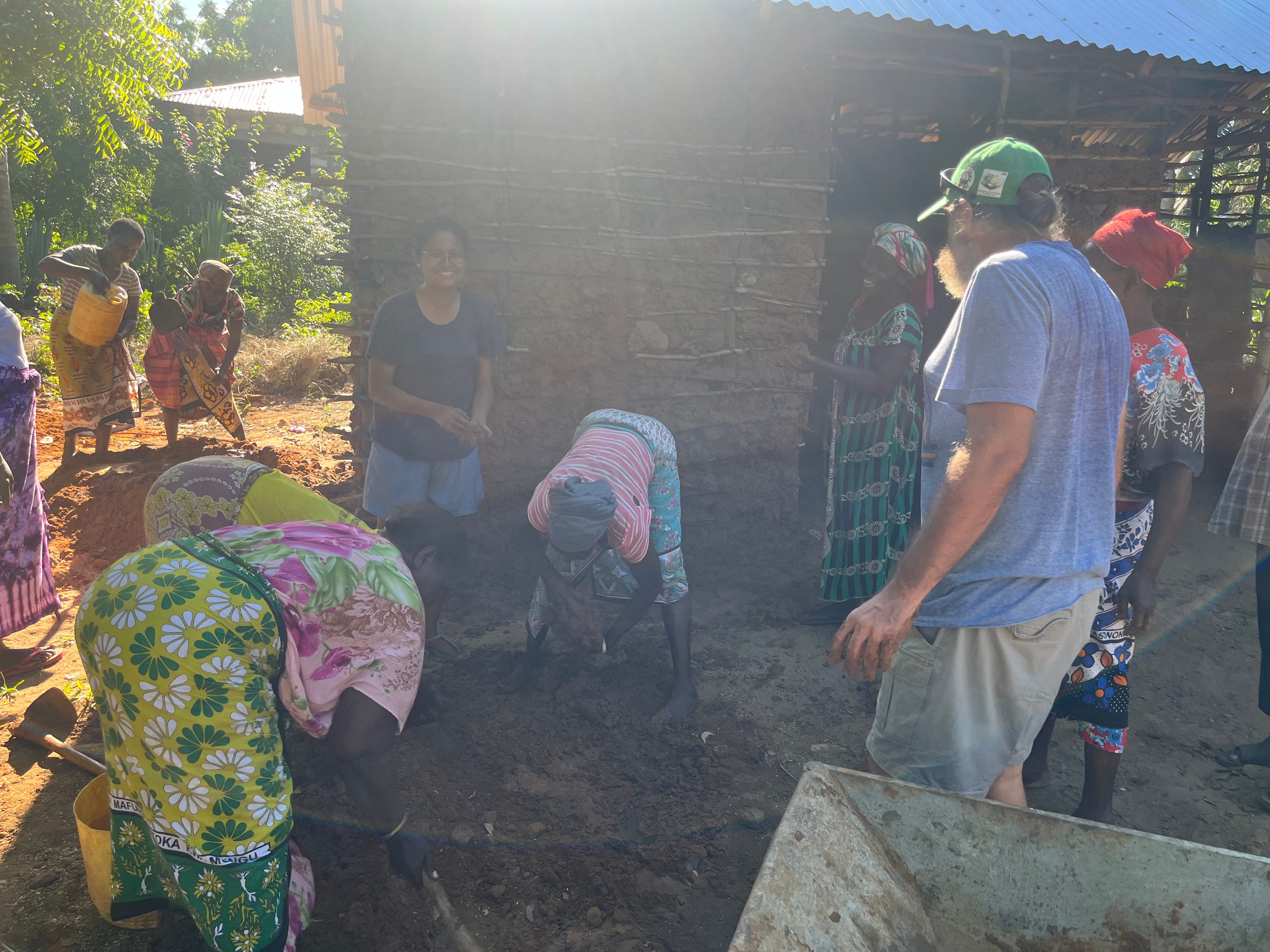
ROLAs aren’t new. They existed way before capitalism and wage labor. In Spanish-speaking areas, they may be called minga. In the north of Philippines, in particular, in the Cordillera regions, we have the ob-obo in Sagada, ubbo in Ifugao and binnadang in Benguet. In contrast to the Philippine bayanihan or communal spirit, ROLAs have strict reciprocity. If we are five people in a group, each week we go to a different farm until everyone receives help from all five people. Collective events such as the Kenyan harambee or bayanihan, are more general and the benefits are oftentimes for the public, e.g., doing tree planting activities. Meanwhile, ROLAs run on what is called “competitive altruism” where you help not only because you are nice, but also so you can receive help in return.
The social contracts and rich culture and history behind these traditions are what makes the transactions consistent. The ROLA of the Mijikenda tribes I worked with is called Mweria. In these gatherings, there are prayers, dances, and the elders also share advice to the members and discuss issues among families and others that are of interest to the community.
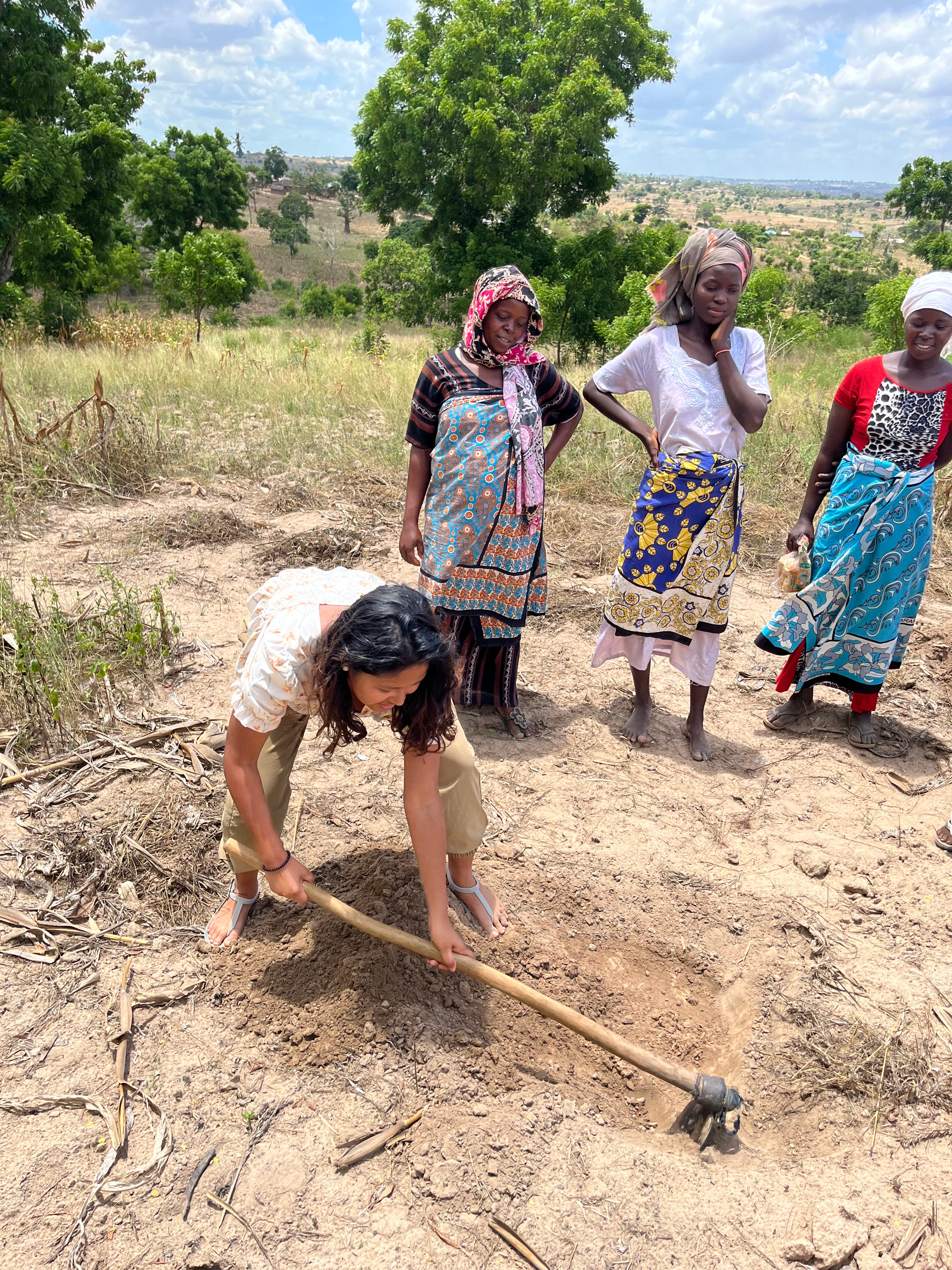
What was very notable also is that most of the chama members were female. This is because their husbands were employed in “formal” jobs. The Mweria also makes them empowered because they accomplish a lot as a group, contributing economically to the household, through the (sometimes literal) fruits of the (reciprocal) labor and without spending a dime–err, shillings, in this case! A circulation study also confirmed the importance of women’s participation to the Sarafu Network.
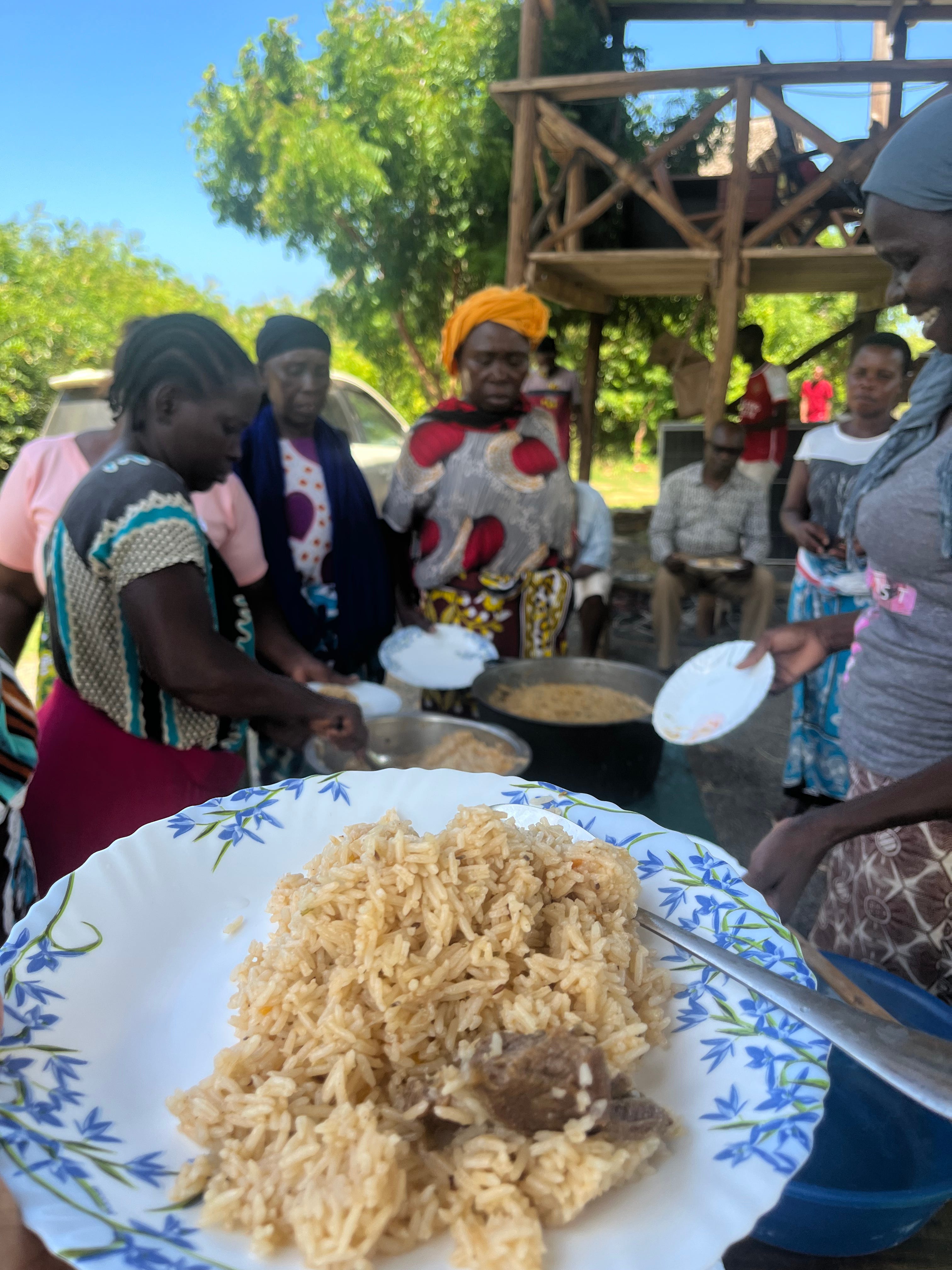
At the end of each ROLA cycle, they engage in Jubilee, a celebration marking the “clearing of all debts” or the point where everyone has helped everyone. Each chama can be as big as 20+ so it is really worth a party, I would say!
The verdict…
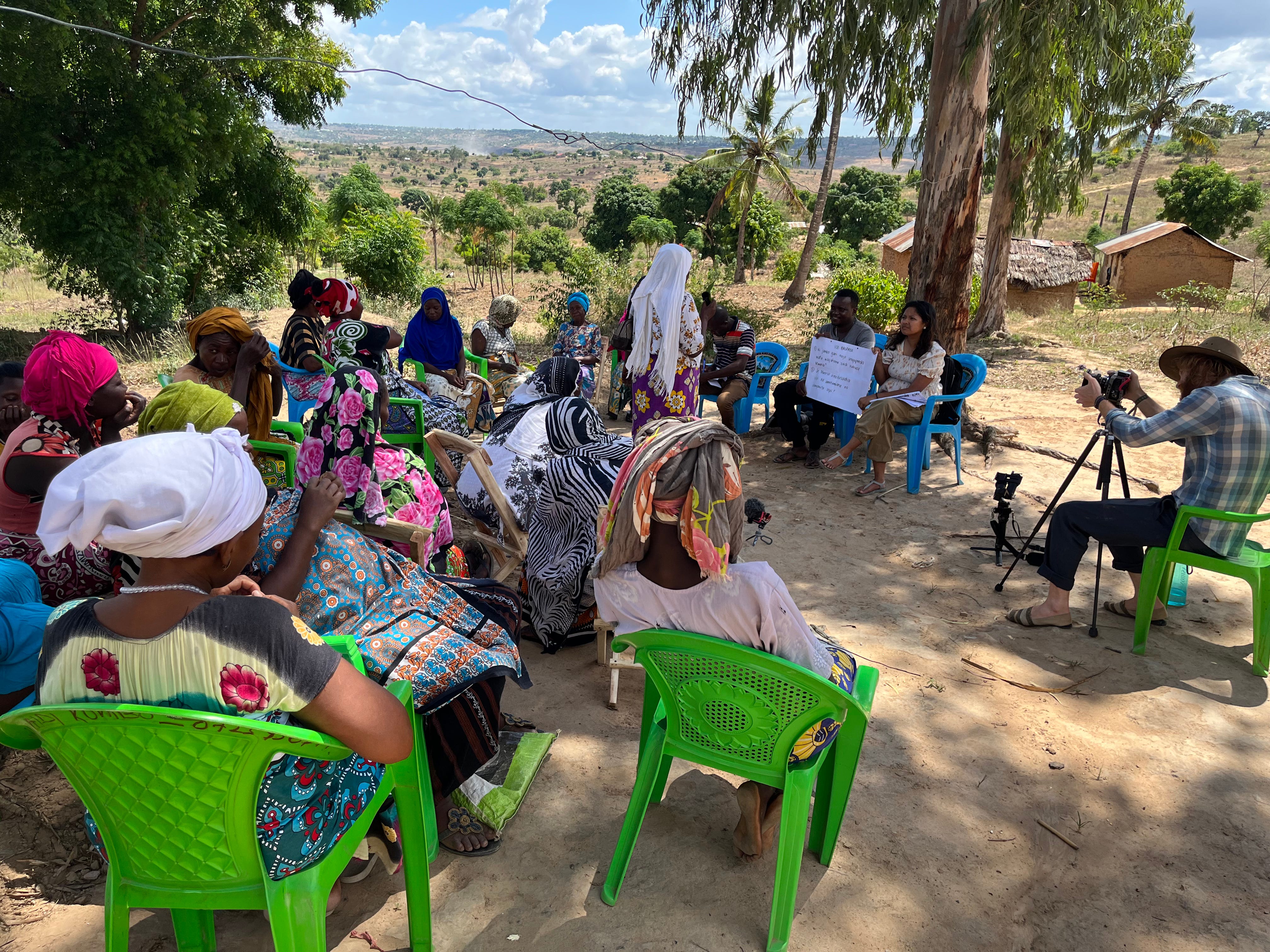
Like any technology, blockchain’s impacts can be good and bad. I thought I’ve abandoned this topic when I graduated from my bachelor’s. It took unlocking a new continent and getting to meet the people behind Grassroots like Will, Aude, Njambi, and Joyce to show me otherwise. I came to Kenya with a critical eye, thanks to the foundation that my master’s at EPOG gave me. It also introduced me to a host of research methods (immersion, participant observation, interviews) and fields (sociology, anthropology, and human-computer interaction). I think this is also what led me to my current PhD topic…AI and finance (but more on that much much later!)
Dig deeper…
Thanks to a village (or should I say chama) of supporters from Manila, to Paris to Kilifi, my work will soon be published in the International Journal of Community Currency Research, but as early as now, you can read the pre-print version on arXiV.
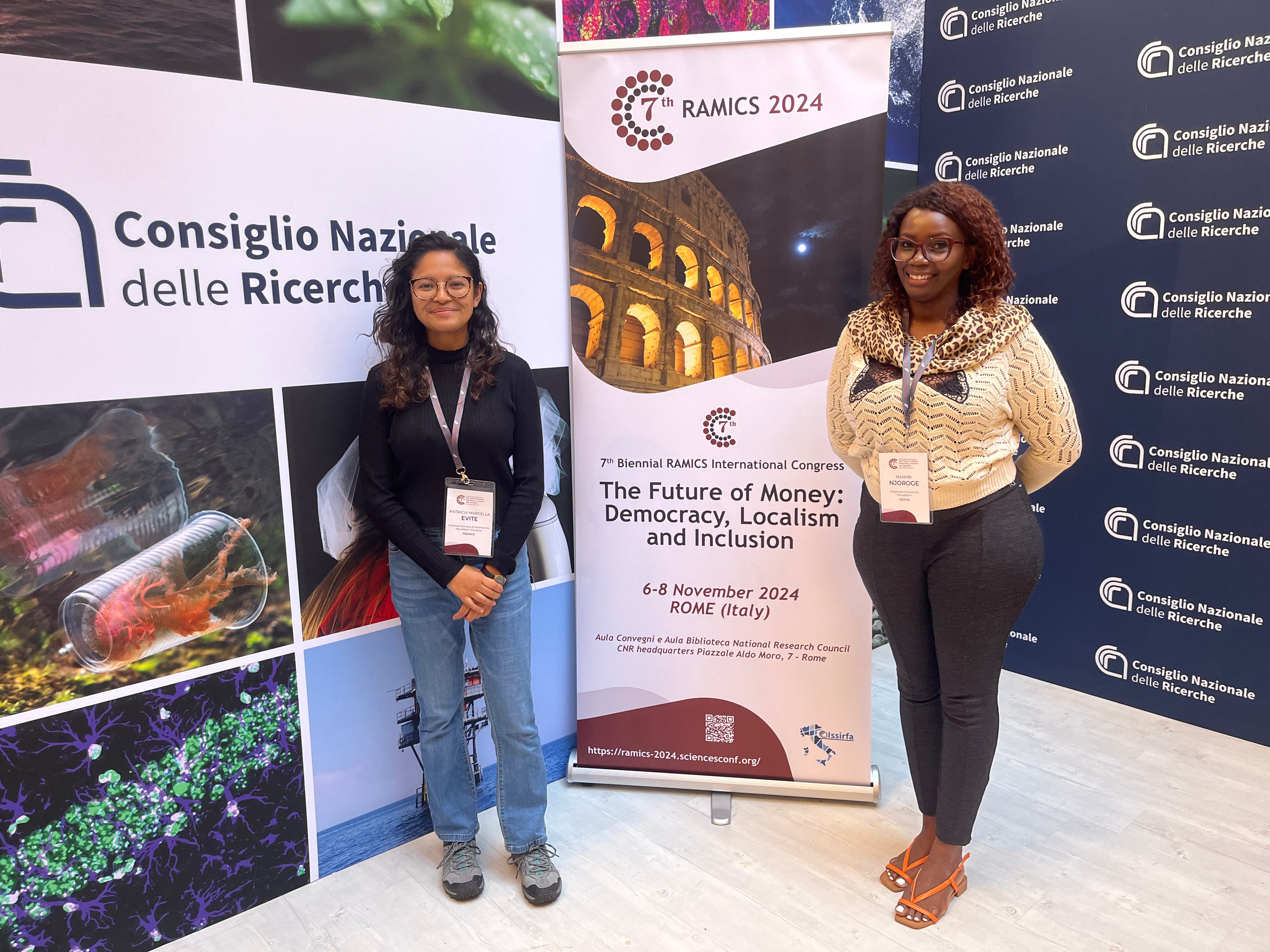
Grassroots Economics is also open to volunteers, researchers, and donors. You can do that by getting in touch with them through this page or via email at info[@]grassecon.org.
If you are a eco-/sustainable-, or conscious investor, learn how to stake rewards for Grassroots here.
If you are interested in CAVs, you can create your own voucher at
https://sarafu.network/.
Very interesting read, Tisha—especially your pointing out of the "social stack" element.
I also believe in the potential of blockchain, but am personally dismayed by how the discourse has been taken over by speculative tech bros keen to be seen as pioneers and extract as much value from being a 'first mover' or something. Like, the benefits, especially to the underserved and the unbanked, are being chipped away by that ego- and profit-centric model.
At the risk of sounding patronizing, it's in places like Kenya where these social benefits can be most realized... because there's nobody there to corrupt it.
Tisha, I'm so grateful for your generosity sharing this very rich and beautifully (economically) structured articule. I want to start something similar in modern Mexico (a mix between city and rural landscapes/ecosystems) and would be great if I could have your advice (also from Will and the people of Grassroots, et al). Hope to make contact soon!! Cheers!